


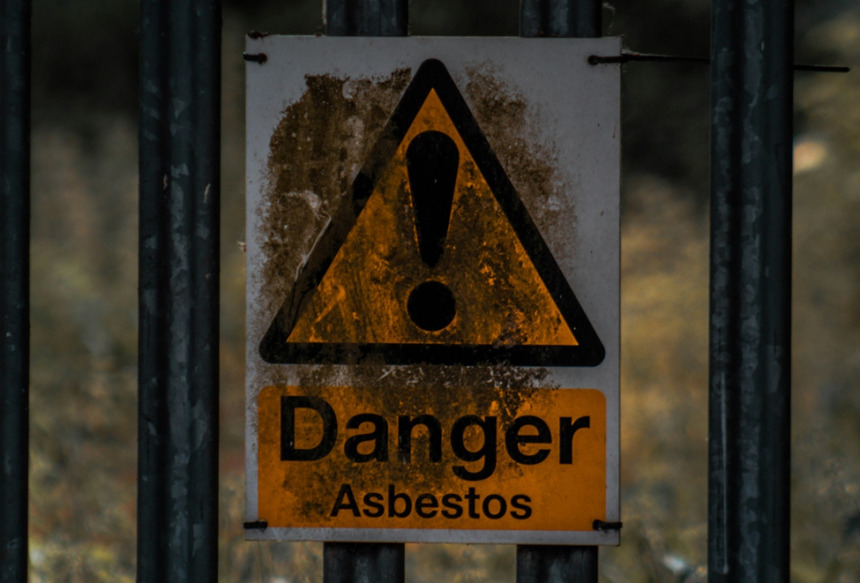
Asbestos removal is a critical process in ensuring the safety and health of individuals exposed to this hazardous material. With advancements in technology and methodology, modern asbestos removal techniques have become more efficient and safer than ever before. This article explores the latest methods and best practices for eliminating asbestos materials, providing valuable insights for both professionals and homeowners.
Understanding the Importance of Asbestos Removal
Asbestos, once widely used in construction for its fire-resistant properties, is now known to pose significant health risks. Inhalation of asbestos fibers can lead to serious diseases such as asbestosis, lung cancer, and mesothelioma. Therefore, the removal of asbestos from buildings is crucial to prevent exposure and protect public health.
Modern Techniques in Asbestos Removal
With the evolution of technology, several modern techniques have emerged to enhance the safety and efficiency of asbestos removal. These methods are designed to minimize the release of asbestos fibers into the air and ensure thorough elimination of the material.
Wet Removal Method
The wet removal method involves spraying the asbestos-containing material with a water-based solution. This technique helps to suppress dust and prevent fibers from becoming airborne. The wet material is then carefully removed and sealed in specialized containers for disposal.
Glove Bag Technique
The glove bag technique is a containment method used for small-scale asbestos removal projects. It involves sealing the asbestos material in a plastic bag equipped with built-in gloves, allowing workers to safely handle and remove the material without direct exposure.
Negative Pressure Enclosure
For larger projects, a negative pressure enclosure is often used. This involves creating a sealed environment around the asbestos area, with air pressure inside the enclosure lower than outside. This prevents asbestos fibers from escaping into surrounding areas during removal.
Best Practices for Safe Asbestos Removal
Ensuring safety during asbestos removal requires adherence to strict guidelines and best practices. Here are some key recommendations for conducting safe asbestos removal:
- Conduct a thorough risk assessment before beginning any removal work.
- Use personal protective equipment (PPE) such as respirators and protective clothing.
- Ensure proper training and certification for all personnel involved in the removal process.
- Implement air monitoring to detect any release of asbestos fibers during removal.
- Follow local regulations and guidelines for asbestos disposal.
Choosing the Right Asbestos Removal Professional
Hiring a qualified asbestos removal professional is essential to ensure the job is done safely and effectively. When selecting a contractor, consider the following factors:
- Verify the contractor’s licensing and certification for asbestos removal.
- Check for experience and expertise in handling similar projects.
- Request references and reviews from previous clients.
- Ensure the contractor follows all safety protocols and regulations.
- Obtain a detailed quote and timeline for the project.
Conclusion: The Future of Asbestos Removal
Asbestos removal continues to evolve with advancements in technology and increased awareness of health risks. By adopting modern methods and adhering to best practices, we can ensure the safe and efficient elimination of asbestos materials. Whether you are a homeowner or a professional, understanding these techniques and guidelines is crucial for protecting health and safety.
Read more
Ultimate Guide to i was just having fun with the time limit bato
Ultimate Guide to gal nipa-chan wants to be hit on 49: In-Depth Analysis & Comprehensive Review